What is plantar fasciitis?
The plantar fascia is a thick band of tissue under your foot. It runs from your heel bone to the base of your toes, supports your arch, and stretches with each step.
When the band takes more strain than it can handle, it becomes irritated where it joins the heel, and small tears can form there. That is plantar fasciitis, and it is the most common cause of heel pain in adults. It appears most often between 40 and 60, and earlier in runners and dancers.
Common plantar fasciitis symptoms
Most people describe a pattern more than a single pain:
- A sharp pain under the heel with your first steps in the morning
- The same pain when you stand up after sitting for a while
- Pain that eases as you walk, then returns late in the day
- A sore spot on the inner edge of the heel when you press it
- An ache along the arch, worse barefoot on hard floors
How our team identifies the cause
Because heel pain has more than one source, we do not assume the cause. Your provider presses along the heel and arch, checks the calf and Achilles for tightness, and observes how your foot rolls as you walk. We also ask about your shoes, your work floors, and your training.
Diagnostic ultrasound lets us examine the fascia during the visit. A thick or torn band looks different from healthy tissue. The scan also helps rule out a tendon or nerve problem that can feel similar.
Plantar fasciitis treatments we offer in St. Louis
Many patients come to us after months of stretching and new insoles, and we build on those steps. Depending on your exam, your plan can include:
- Changes to footwear, calf and arch stretching, and time spent on your feet
- Physical rehabilitation to strengthen the foot and lower leg
- PRP, an injection of your own concentrated platelets, placed with ultrasound guidance
- Prolotherapy to prompt a healing response in the fascia
- Regenerative cell therapy for long-standing or severe cases
- Shockwave therapy, which delivers pressure waves through the skin
When to see a doctor for heel pain
Book a visit if home care has not helped, if the pain makes you limp, or if you have been told surgery is the next step.
Your plantar fasciitis visit in Chesterfield
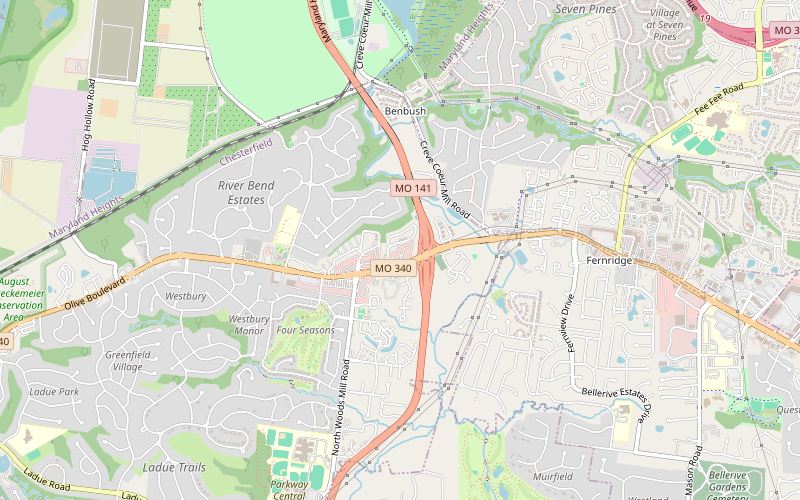
Your first visit at 13353 Olive Blvd is a consultation. Bring the shoes you wear most and any imaging reports you have. We examine both feet, scan the painful heel, and explain our findings clearly.
If an injection is part of your plan, we perform it in our office with ultrasound guidance so the needle reaches the damaged part of the fascia. You leave with written aftercare instructions and a follow-up appointment.
Questions about Plantar Fasciitis Treatment in St. Louis
Is plantar fasciitis the same as a heel spur?
No. A heel spur is a small growth of bone that shows on an X-ray. Plantar fasciitis is a problem in the soft-tissue band. You can have one without the other, and the exam identifies which one is causing your pain.
Will plantar fasciitis go away on its own?
It can ease with rest, better shoes, and stretching. If it keeps returning, an exam can identify why.
Can PRP help plantar fasciitis?
PRP is one of the treatments we use for plantar fasciitis. Whether it suits you depends on what the exam and ultrasound show.
Can I keep running?
Your provider helps you determine how much load your foot can tolerate now and how to adjust your training rather than stop entirely.
Do you offer virtual visits?
Yes. You can start with a virtual consultation. The exam, ultrasound, and any injection happen in the Chesterfield office.