What is degenerative disc disease?
Despite the name, it is not a disease that spreads. The term describes discs in the spine that have worn down over time. Discs dry out with age, lose height, and develop small cracks in their outer wall, so they cushion the vertebrae less well.
Nearly everyone's discs change over the years. The condition becomes a concern when those changes cause pain or press on a nerve. It can affect the lower back, where it is also called lumbar disc disease, or the neck.
How degenerative disc disease feels
Symptoms come and go for many people. You may notice:
- A steady ache in the low back or neck
- Flare-ups that last days or weeks, then settle
- Pain that is worse when you sit for a long time, bend, or lift
- Relief when you walk or change position
- Pain, tingling, or numbness into a leg or arm if a nerve is involved
Treating degenerative disc disease without surgery in St. Louis
Worn discs often sit next to other sources of pain, such as arthritic facet joints or tight, weak muscles, so we evaluate each of them. We treat degenerative disc disease with PRP, prolotherapy, and bone marrow concentrate (BMAC). BMAC is prepared from your own bone marrow, and we use it for lumbar disc disease.
Rehabilitation is part of most of our plans, because stronger muscles around the spine take load off the discs.
Reading your scan together in Chesterfield
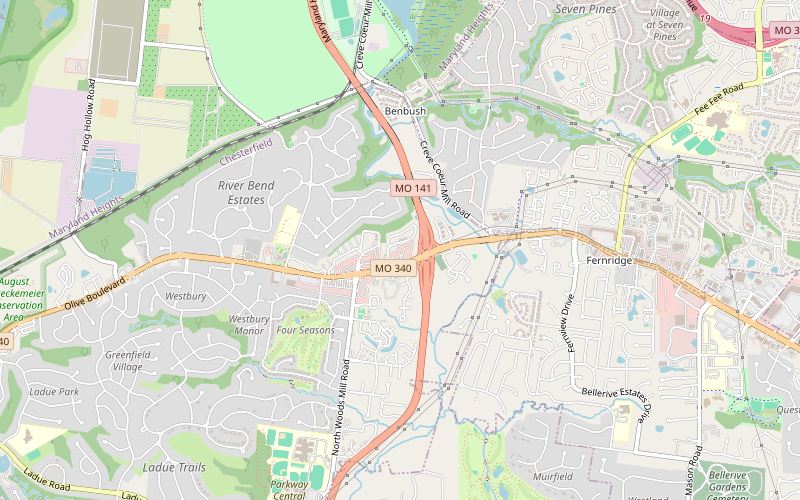
Many St. Louis patients come to us after an MRI report used the words degenerative disc disease and left them worried. At our Olive Blvd office, we review your report with you, examine your spine, and explain which findings are likely tied to your pain and which are normal for your age.
From there, we outline a plan in plain terms, including what you can do at home.
Questions about Degenerative Disc Disease Care in St. Louis
Does degenerative disc disease get worse over time?
Disc wear is part of aging, but symptoms do not always get worse. Many people have long quiet spells between flare-ups.
Is degenerative disc disease the same as arthritis of the spine?
They are related but not the same. Disc disease affects the cushions between vertebrae; spinal arthritis affects the small facet joints behind them. They often appear together.
Should I stop exercising?
Usually not, because the right kind of movement often helps. Your provider will advise you on which activities to keep and which to change.
Can a worn disc be treated without surgery?
Yes, nonsurgical care is often where treatment starts. After your exam, we explain which options fit your discs and your goals.