What is BMAC?
Bone marrow is the soft tissue inside your larger bones. Its fluid holds regenerative cells, including mesenchymal cells, which help form bone and repair tissue. BMAC is that fluid after it has been concentrated.
Our St. Louis office also calls it bone marrow concentrate, or BMC. You may see either name on our site.
What we treat with BMAC in St. Louis
Our physicians use BMAC for more serious injuries and long-standing joint disease, such as:
- Lumbar disc disease
- Shoulder and hip injuries
- Osteoarthritis of the knee, hip, or shoulder
- Muscle, tendon, or ligament tears
- Damaged cartilage and bone inside a joint
The BMAC procedure, step by step
A Bluetail physician performs each part of the procedure:
- Numbing: a local anesthetic numbs your lower back over the pelvic bone.
- Collection: a hollow needle, called a cannula, draws a small amount of marrow from the pelvic bone.
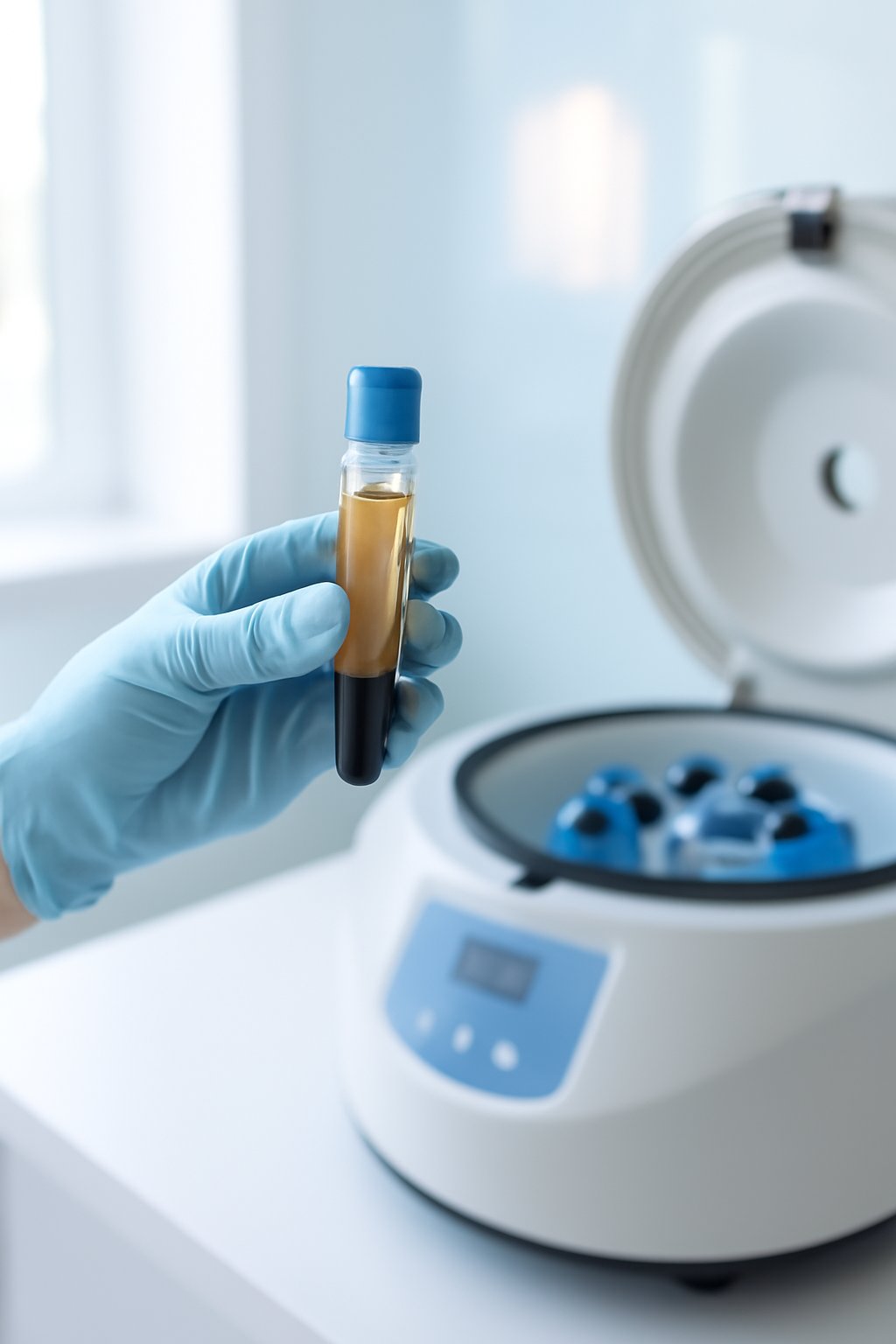
- Concentration: we spin the marrow in a centrifuge, in an FDA-cleared device, to concentrate the cells.
- Injection: using ultrasound to see the target, we inject the concentrate into the area that needs repair.
Does a BMAC procedure hurt?
The anesthetic numbs the collection site before the marrow draw. Afterward, your pelvis is usually a little sore for a few days. The treated joint or tendon may be sore for a short time as well.
We explain how to manage that soreness before the day of your procedure.
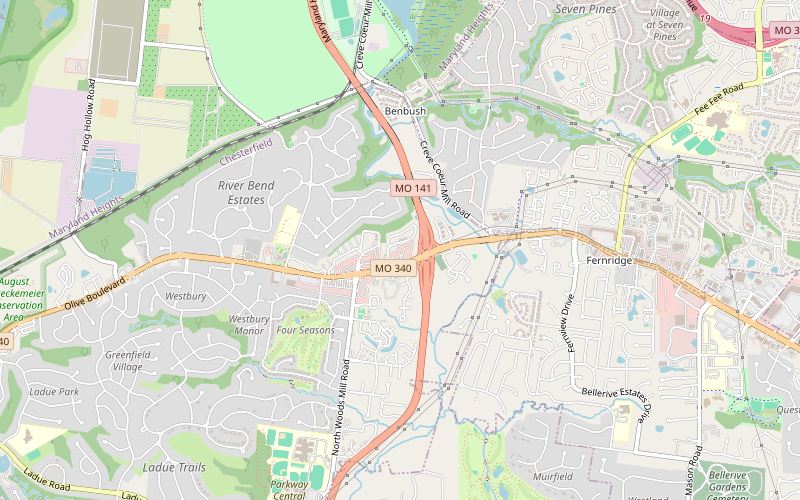
BMAC at our Chesterfield office
Every BMAC procedure starts with a consultation at 13353 Olive Blvd. We review your health history, examine you, and use diagnostic ultrasound to see the injured tissue before we recommend treatment.
If BMAC is the right fit, the marrow draw, the processing, and the injection all take place in our office.
Insurance covers your consultation visit. At that visit we explain the cost of any treatment we recommend, so you can decide with the full picture.
Questions about BMAC in St. Louis
Is BMAC surgery?
No. It is a minimally invasive procedure performed with a needle in our office.
How is BMAC different from PRP?
PRP comes from a blood draw and concentrates platelets. BMAC comes from bone marrow and concentrates regenerative cells. Your physician may combine the two.
How do you make sure the injection reaches the right spot?
Your physician watches the needle on ultrasound and places the concentrate in the tissue that needs repair.
Can BMAC help my lower back?
We use BMAC for lumbar disc disease. First, your provider confirms the source of your back pain.
What if BMAC is not right for me?
Your physician first weighs your injury, health history, and goals. If PRP or another regenerative treatment suits your problem better, we explain why.
Should I bring my MRI?
Yes. Bring any MRI or X-ray reports. We also examine the area with diagnostic ultrasound during the consultation.