What regenerative cellular therapy for knees means at Bluetail
At Bluetail, regenerative cellular therapy for knees is performed with BMAC. The treatment uses regenerative cells taken from your own bone marrow, concentrated, and injected into the damaged knee.
Bone marrow is rich in mesenchymal cells. These cells can develop into the tissue types found in a joint, such as cartilage, bone, tendon, and ligament. Nothing comes from a donor or a lab.
PRP vs. regenerative cellular therapy for the knee
PRP uses platelets from a blood draw to signal the body to repair tissue. BMAC adds cells from bone marrow that can form new tissue. Your provider weighs the damage seen on imaging against your goals and explains which one fits, or whether the two together make sense.
Knee problems we treat with regenerative cellular therapy in St. Louis
We use BMAC for the more severe knee problems, often when PRP alone is not likely to be enough. These include:
- Osteoarthritis of the knee, including advanced wear
- Damage to the cartilage and bone surface inside the joint
- Tears of the ligaments and tendons around the knee
- Knee pain that has not settled with earlier treatment
How the knee procedure works, step by step
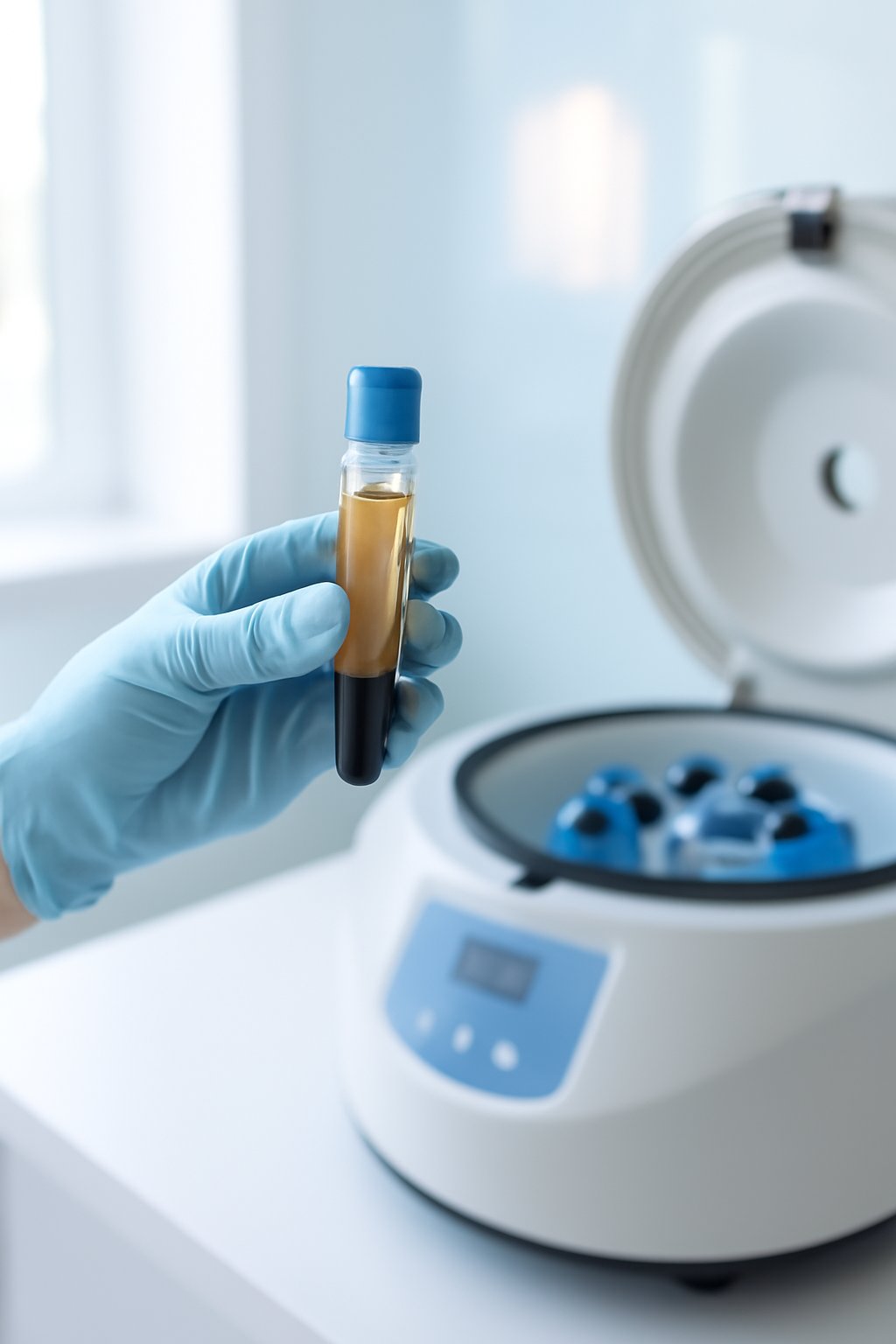
Your provider numbs the skin over the back of your pelvis and draws a small amount of bone marrow through a hollow needle. A centrifuge then concentrates the cells in the office, in an FDA-cleared device.
Finally, we inject the concentrate into the knee under ultrasound. In an arthritic knee, that usually means the joint space. When a ligament or tendon is also damaged, the scan lets your provider reach that tissue too. We often add PRP from your own blood to the same injection.
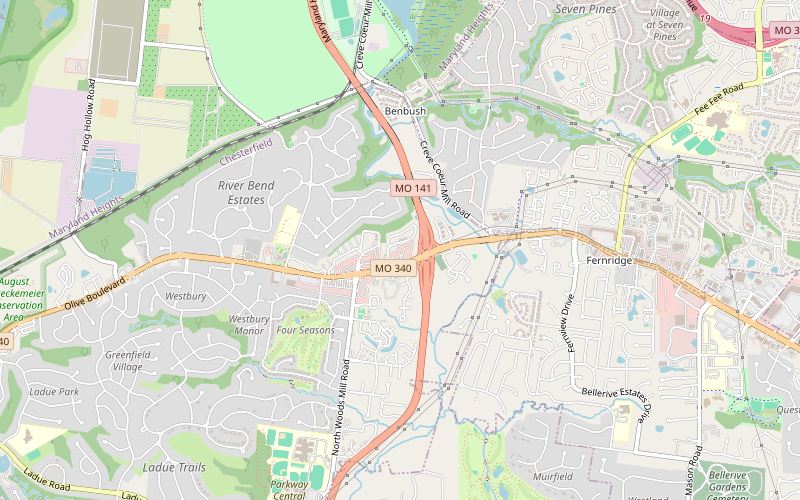
Your BMAC knee consultation in Chesterfield
The first step is a consultation, in person or by video. Send or bring recent knee X-rays, any MRI reports, and a list of the medicines you take, including blood thinners.
On procedure day, the bone marrow draw, the processing, and the knee injection all take place at our Chesterfield office. Plan for someone to drive you home, and wear shorts or loose pants that leave the knee easy to reach.
Insurance covers your consultation visit. At that visit we explain the cost of any treatment we recommend, so you can decide with the full picture.
Questions about Regenerative Cellular Therapy for Knees in St. Louis
Is the bone marrow draw painful?
Your provider numbs the area over your pelvis first, so the draw itself should not hurt. The spot is usually a little sore for a few days afterward, and the knee may be sore too.
Can regenerative cellular therapy help if I am bone-on-bone?
We use BMAC for advanced knee osteoarthritis. Whether it is a good choice for your knee depends on your X-rays, your exam, and your goals.
Can both knees be treated on the same day?
Ask at your consultation. Your provider decides based on the condition of each knee.
Is this a replacement for knee surgery?
For some people it is a way to avoid or delay knee replacement. It is not right for every knee, and your provider explains where you stand.
Do I need physical therapy afterward?
Rehabilitation is often part of the plan after BMAC. Your provider explains what to do and when to start.