What does bone-on-bone knee mean?
Cartilage covers the ends of the bones in your knee and lets them glide. In osteoarthritis, that cartilage wears thin over years of use. When an X-ray shows little space left between the bones, doctors often call it bone-on-bone.
The phrase describes an image, but how much your knee hurts and how well you move matter just as much when we plan your treatment.
Is surgery the only option for a bone-on-bone knee?
Not always, though sometimes it is. Some knees with advanced arthritis are best treated with a replacement. Although we are a nonsurgical office, we will tell you when we believe your knee is at that point.
For other patients, we use minimally invasive treatments that may help avoid or delay more invasive surgery. No injection rebuilds a worn joint.
Bone-on-bone knee treatment options we offer in St. Louis
We recommend one of these or a combination for your knee, based on your exam, your health, and your goals.
- PRP injected into the knee joint
- Bone marrow concentrate (BMAC), used for osteoarthritis and damaged cartilage within a joint
- Regenerative cell therapy, alone or with PRP
- Prolotherapy for osteoarthritis
- Rehabilitation to strengthen the muscles that support the knee
What we assess at your evaluation
We examine how your knee moves, where it is tender, whether it is swollen, and how it handles weight. Diagnostic ultrasound can show fluid in the joint, cartilage damage, and the soft tissue around the knee.
We review your X-ray or MRI reports and ask which activities you want to return to. Your goals shape the plan as much as the images do.
Bone-on-bone knee visits in Chesterfield
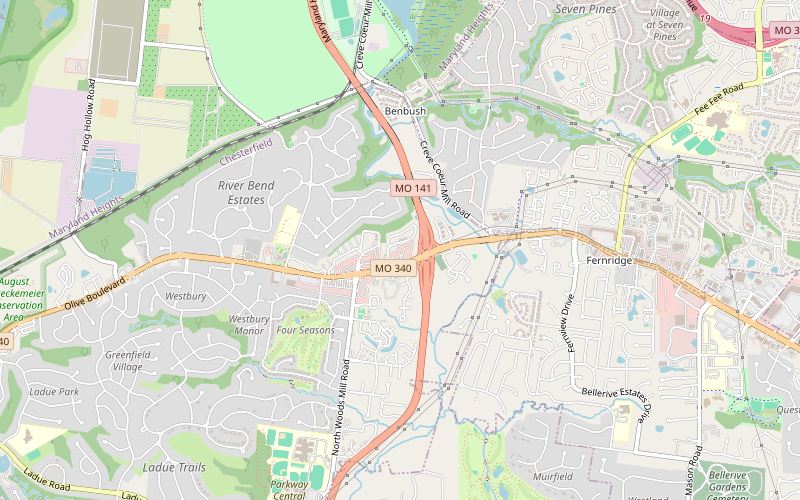
Consultations take place at 13353 Olive Blvd in Chesterfield, and a first conversation can also be virtual. We present your options side by side, including the case for surgery if it applies to you.
When you choose a treatment, we perform the injection under ultrasound guidance in the office. Follow-up visits allow us to monitor how your knee responds.
Questions about Bone-on-Bone Knee Treatment in St. Louis
Can a bone-on-bone knee be treated without surgery?
Some can and some cannot. Nonsurgical care may ease pain and improve function for some patients.
Am I too old for these treatments?
Age alone does not decide that. We look at your overall health, the state of your knee, and what you want to do.
How is this different from a cortisone injection?
A cortisone injection reduces inflammation for a while. PRP and bone marrow concentrate use material from your own body and aim to support the knee's healing response.
What if both knees are bone-on-bone?
Tell us at the consultation. We examine both knees and discuss whether to treat one or both.
Do I need a new X-ray?
Bring the most recent X-ray or MRI reports you have. If newer imaging would help, we will let you know at the visit.