What is frozen shoulder?
Your shoulder joint sits inside a capsule of connective tissue. In frozen shoulder, that capsule becomes inflamed, then thickens and tightens around the joint. The medical name is adhesive capsulitis.
It is most common in middle age and is linked to diabetes and thyroid disease. It can also follow a time when the arm was kept still, such as after an injury or an operation.
The stages of frozen shoulder
Frozen shoulder tends to move through three phases:
- Freezing: pain builds, often worst at night, and motion starts to shrink
- Frozen: pain may ease, but the shoulder stays stiff
- Thawing: motion slowly returns
Frozen shoulder or a rotator cuff problem?
Both cause pain and trouble lifting the arm. The key difference is what happens when someone else moves it. With a rotator cuff problem, a provider can often lift your arm farther than you can on your own. With frozen shoulder, the joint stays stiff whoever moves it, most of all when the arm turns outward.
We test both kinds of motion and examine the shoulder with diagnostic ultrasound, which helps rule out a tendon tear. An X-ray may be used to check for arthritis, which can also limit motion.
Frozen shoulder treatment in St. Louis
Our care aims to ease pain and restore motion. We treat frozen shoulder with a guided stretching and rehabilitation plan, osteopathic manipulation, and an ultrasound-guided injection into the joint. Your provider explains what each one is for and how it fits the stage you are in.
Frozen shoulder visits in Chesterfield
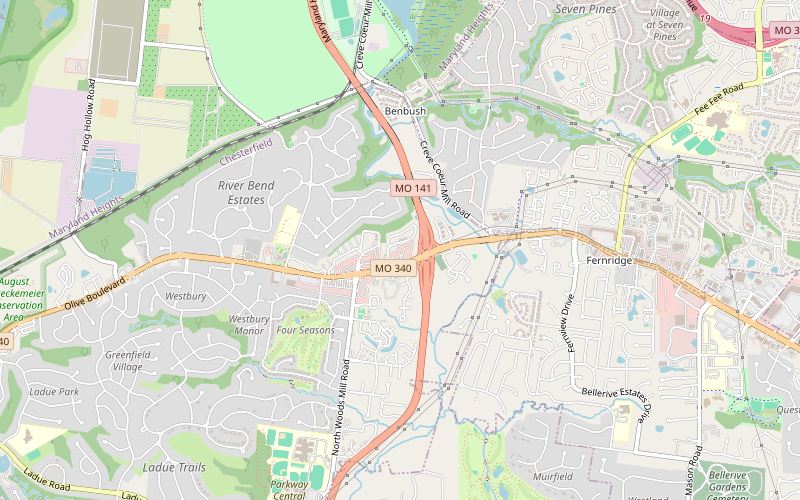
At 13353 Olive Blvd, your first visit is a consultation. A provider asks when the stiffness began and what you can no longer do, measures the range of motion in both shoulders, and scans the painful side with ultrasound.
We explain which stage we think you are in and what to expect next. If you choose treatment, we outline a plan and a follow-up before you leave.
Questions about Frozen Shoulder Care in St. Louis
What causes frozen shoulder?
Often there is no clear cause. Diabetes, thyroid disease, and a period of keeping the arm still are linked to a higher risk.
Will frozen shoulder go away by itself?
It often improves slowly, but some stiffness can remain. Treatment aims to ease pain and keep you moving along the way.
Should I keep moving a frozen shoulder?
Gentle movement within your pain limits is usually advised. Forcing a painful stretch can flare the joint, so ask your provider which exercises suit your stage.
When should I see a doctor?
Book a visit if shoulder stiffness and pain last more than a few weeks or keep getting worse. An early exam rules out other causes, such as a rotator cuff tear.
Can frozen shoulder affect both shoulders?
It can, though not usually at the same time. It seldom comes back in the same shoulder.