What is the rotator cuff?
The rotator cuff is a group of four muscles and their tendons. They wrap around the top of the upper arm bone and keep the ball centered in the shallow shoulder socket as you lift and turn your arm.
A rotator cuff injury can mean an inflamed or worn tendon, a partial tear, or a tear all the way through. A tear can happen in a single fall or heavy lift. More often it develops slowly, with age and years of use.
Who gets rotator cuff pain?
Repeated overhead motion is the most common factor. Tennis and baseball players, painters, and carpenters all load the cuff again and again. Your risk also rises with age, and rotator cuff pain can run in families.
Signs of a rotator cuff tear
Some people feel little pain and notice weakness and lost motion instead.
- Pain that disturbs your sleep or makes it hard to lie down comfortably
- Weakness when you raise or rotate the arm
- Pain when you lift something or lower your arm
- A crackling or grinding feeling as you move
- Pain that no longer eases with home care or pain medicine
Rotator cuff tear treatment without surgery in St. Louis
Rest, medicine, physical therapy, and steroid injections can ease pain for a time. Repeated steroid injections may also weaken the tendon further. For larger or long-standing tears, many people are told to consider surgery.
At Bluetail, we treat rotator cuff tears without surgery, using PRP, made from platelets in your own blood, and regenerative cell therapy with bone marrow concentrate (BMAC) drawn from your hip. The two are often combined, and each injection is guided with ultrasound to the injured part of the tendon.
Rotator cuff care at our Chesterfield office
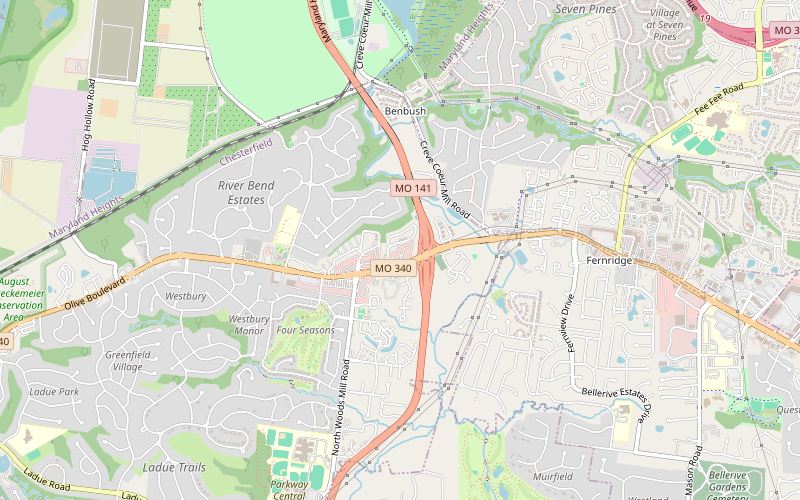
At 13353 Olive Blvd, your first visit starts with a review of your history and a hands-on exam of strength and motion. We then scan the cuff with diagnostic ultrasound. It shows the tendons while you move your arm, so we can determine whether a tear is partial or full and where it sits.
If we believe a surgical opinion makes more sense for your tear, we will let you know. If injections are a good fit, we perform the procedure in our office.
Questions about Rotator Cuff Pain and Tears in St. Louis
Does a rotator cuff tear heal on its own?
A torn tendon does not usually heal by itself. Pain may come and go, but the tear can stay or grow. That is why an accurate diagnosis matters.
What is the difference between rotator cuff pain and a tear?
Rotator cuff pain can come from irritated or worn tendons with no tear at all. A tear is a break in the tendon. Ultrasound helps tell the two apart.
Is rotator cuff tear treatment without surgery right for me?
It depends on the size of the tear, your strength, and your goals. We explain where you stand after the exam and ultrasound.
Should I keep using my shoulder?
Gentle motion often helps, but some lifts and overhead moves can strain an injured cuff. Your provider will explain what to avoid while it recovers.
Are PRP and BMAC used together?
Often, yes. We combine PRP with regenerative cell therapy for many rotator cuff injuries. Your provider recommends a plan after your exam.