How the shoulder is built and where it gets hurt
The shoulder moves more than any other joint, so it depends on soft tissue to stay in place. Four muscles and their tendons, together called the rotator cuff, hold the ball of the upper arm in a shallow socket. A ring of cartilage, the labrum, deepens that socket. A small fluid sac, the bursa, lets the tendons glide under the bone at the top of the shoulder.
Overhead work and sport strain these tendons over years. Painters, carpenters, tennis players, and baseball players are all familiar with this kind of pain.
What we treat with PRP for shoulder pain in St. Louis
We use PRP for shoulder pain most often when the soft tissue is injured. The common reasons are:
- Partial tears of the rotator cuff
- Rotator cuff tendonitis
- Osteoarthritis of the shoulder joint
- Sprains and strains around the shoulder
PRP alone or with regenerative cell therapy
For a small tear, we may try PRP alone first. For a larger tear or advanced arthritis, your provider may recommend combining PRP with regenerative cell therapy from your own bone marrow. If we do not think injection treatment fits your tear, we will let you know.
Ultrasound guidance in a crowded joint
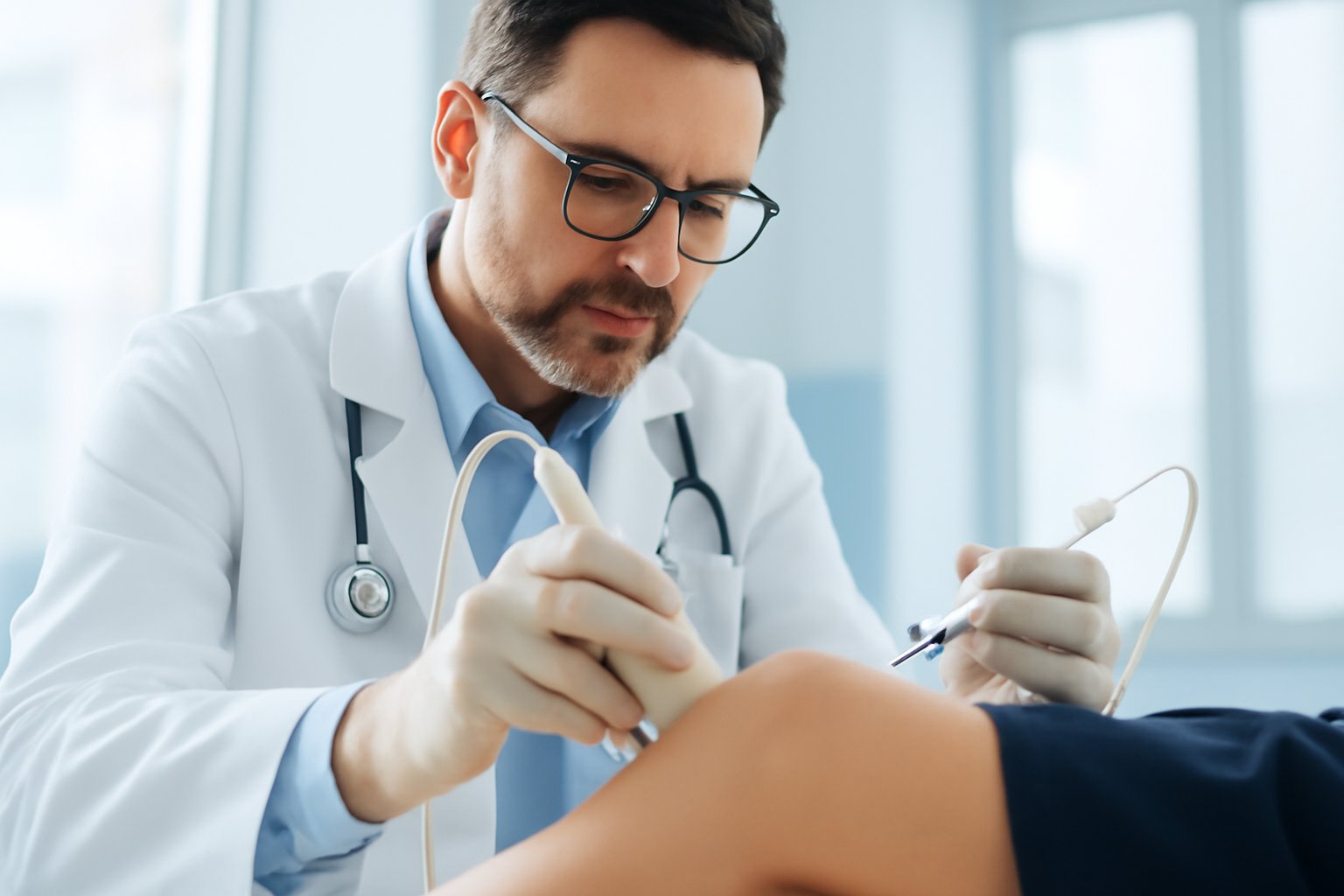
The rotator cuff tendons, the bursa, and the joint sit close together under the shoulder muscle, sometimes only millimeters apart. Ultrasound lets your provider see which layer the needle tip is in and place the PRP in the torn or worn tissue.
Before that, we scan the shoulder while you move your arm. This can show a tear, a thickened tendon, or fluid in the bursa. Pain from the neck can also be felt in the shoulder, so the examination evaluates that as well.
Your shoulder consultation in Chesterfield
Before you come in, note which movements hurt: reaching overhead, reaching behind your back, lifting, or lying on that side at night. Bring any shoulder MRI or X-ray reports, and tell us if you have had cortisone injections in the shoulder and when.
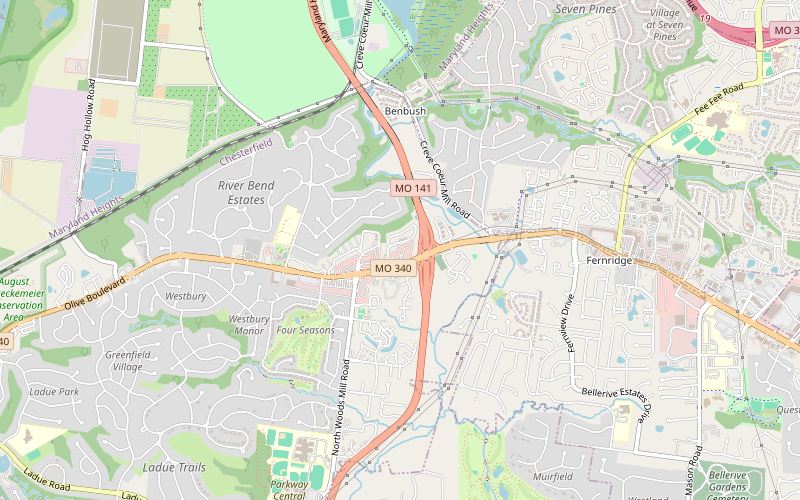
We examine your strength and range of motion, scan the shoulder, and discuss your options. If PRP is the plan, the blood draw and the injection are performed at the Chesterfield office.
Insurance covers your consultation visit. At that visit we explain the cost of any treatment we recommend, so you can decide with the full picture.
Questions about PRP for Shoulder Pain in St. Louis
Can PRP help a torn rotator cuff?
We use PRP for partial rotator cuff tears. The size and type of tear matter, so we evaluate the tear with ultrasound and review any MRI before we recommend treatment.
I have had cortisone injections in my shoulder. Can I still have PRP?
Usually you can still be seen. Tell us the dates of your past injections, because they help your provider plan the timing.
Will I need a sling after a shoulder PRP injection?
Your provider explains how to use the arm in the days after the injection. You receive those instructions in writing before you leave.
Does shoulder pain at night mean a rotator cuff problem?
Night pain is common with rotator cuff injuries, but it has other causes too. An exam and an ultrasound scan help identify the source.
Can I have a virtual visit first?
Yes. Bluetail offers virtual consultations. The exam with ultrasound and any injection take place in the office.