What the rotator cuff does
The rotator cuff is a group of muscles and tendons that keeps the ball of your upper arm in the shoulder socket. A tear can happen in one injury or build up over years of overhead work and sport.
Common signs are a deep ache, pain that wakes you at night, weakness when you lift or turn the arm, and less range of motion.
Nonsurgical rotator cuff surgery alternatives in St. Louis
Many patients come to us after trying rest, medication, physical therapy, or steroid injections. These can ease pain for a while, but repeated steroid injections may weaken a tendon over time. We treat rotator cuff tears and injuries with:
- PRP injected into the damaged tendon
- Regenerative cell therapy with cells from your bone marrow, often combined with PRP
- Bone marrow concentrate (BMAC) for tendon tears and shoulder injuries
- A rehabilitation program to restore strength and motion
When surgery may be the right choice
Some rotator cuff tears are best repaired with surgery. Although we are a nonsurgical office, part of our role is to recognize those cases. If your exam and imaging point that way, we will tell you directly and explain why.
For other tears, we use these treatments to help avoid or delay more invasive surgery. No treatment comes with a guarantee, and we explain what is realistic for your shoulder.
How we evaluate a rotator cuff injury
Your provider asks how the injury started and how it affects work, sport, and sleep, then tests strength and motion in both shoulders.
Diagnostic ultrasound provides a real-time view of the tendons from several angles. It can show tears and other soft-tissue damage without radiation. We also review any MRI reports you bring.
Shoulder care at our Chesterfield office
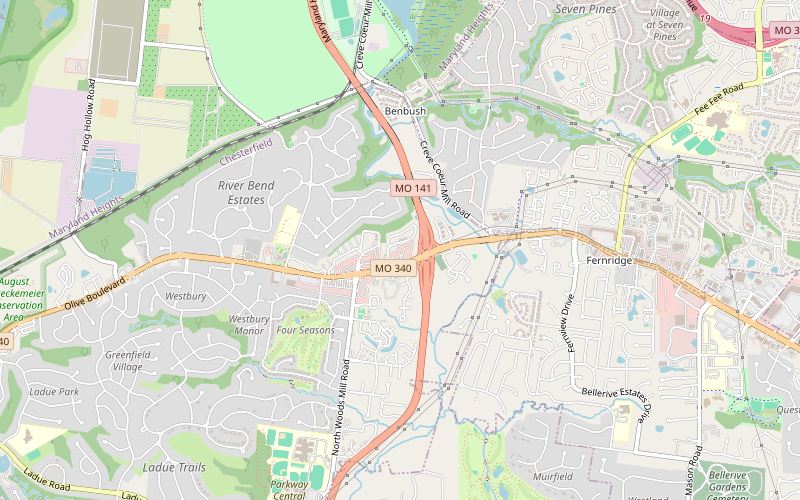
Your consultation takes place at 13353 Olive Blvd in Chesterfield. We review your exam and ultrasound findings with you and explain each option, surgical or not, in plain terms.
If you choose an injection, we use ultrasound guidance to place it in the injured part of the tendon. A rehabilitation program follows, and we schedule follow-up visits to monitor your strength and motion.
Questions about Rotator Cuff Surgery Alternatives in St. Louis
Will a rotator cuff tear heal on its own?
Rotator cuff tears do not heal on their own. Rest and medication may ease the pain for a time, but they do not repair the tendon.
Can I avoid rotator cuff surgery?
Some patients may avoid or delay surgery with nonsurgical treatment. Others need a repair. Your exam and imaging guide that answer.
Is recovery shorter than after surgery?
Recovery after these office treatments is usually much shorter than after an invasive procedure. Your provider explains what the following weeks look like for you.
I have already had cortisone injections. Can I still be seen?
Yes. Let us know which injections you received and when, because that history helps us plan your next step.
Do I need an MRI first?
Not always. We examine your shoulder with ultrasound right here in the office. If an MRI would add useful detail, we will let you know.